

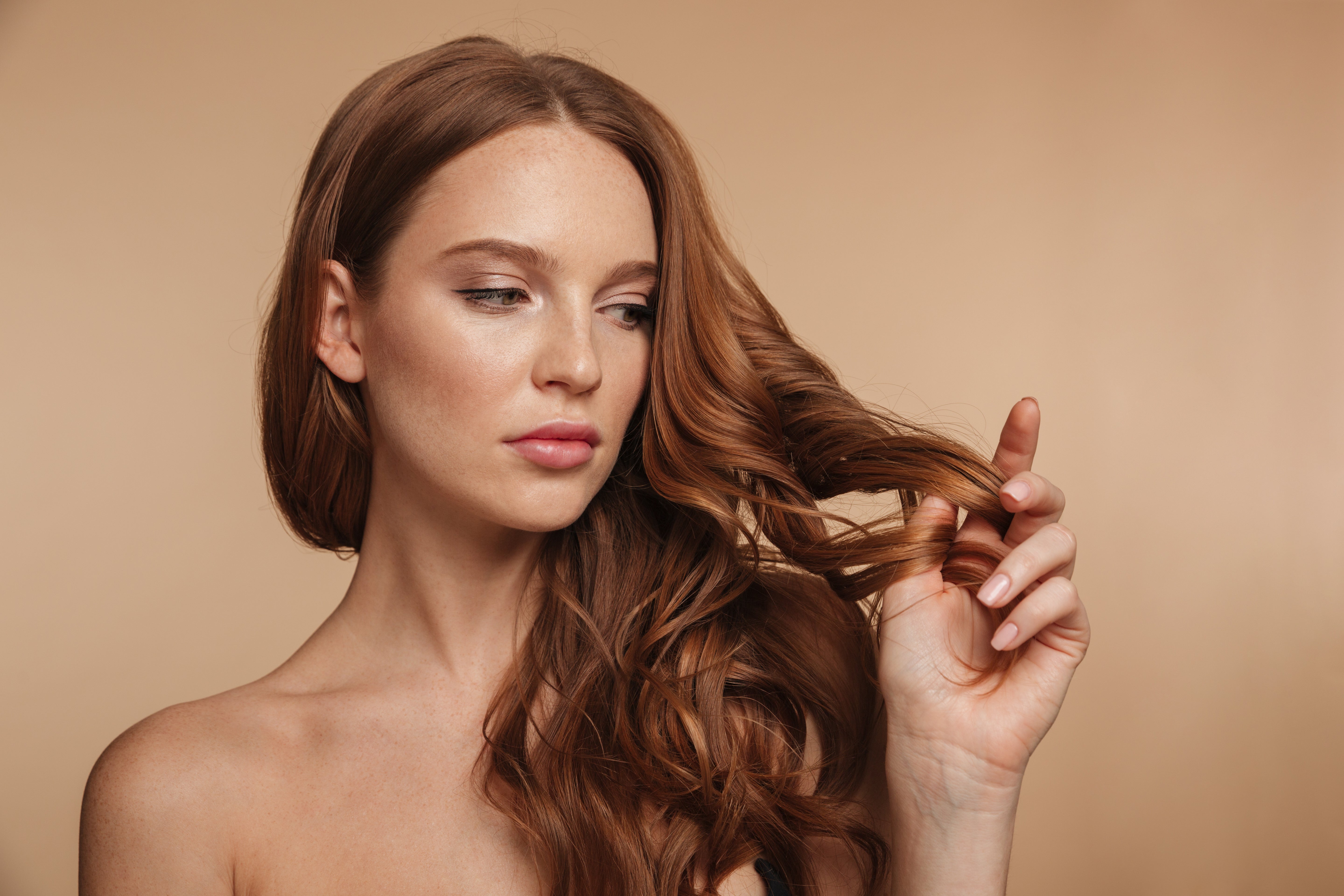
The ancient Ayurvedic texts—the Charaka Samhita (Internal Medicine), Sushruta Samhita (Surgical/Structural), and the Ashtanga Hridaya (The "Heart" of Medicine)—view hair not merely as an aesthetic asset, but as a byproduct (Upadhatu) of bone tissue (Asthi Dhatu). When your internal "fabric" is healthy, your hair reflects that strength.
1. The Structural Foundation: Hair as a Living Tissue
In the Sushruta Samhita, hair is categorized as a part of the Asthi Dhatu (bone tissue). Sushruta explains that the health of the hair depends on the quality of the nutrient fluid (Ahara Rasa) that feeds the bones.
The structure of the hair is linked to the Pancha Mahabhuta (Five Elements):
-
Prithvi (Earth): Gives hair its thickness and strength.
-
Jala (Water): Provides luster and moisture.
-
Agni (Fire): Responsible for the natural pigment (color).
-
Vayu & Akash (Air/Space): Responsible for the porosity and growth cycles.
2. The Dosha-Hair Correlation
Ayurveda identifies three distinct hair profiles based on your dominant Prakriti (constitution). Understanding these helps in identifying the root cause of imbalances.
3. Pathogenesis: Why Hair Issues Arise
According to the Charaka Samhita, hair loss (Khalitya) and premature greying (Palitya) are primarily "Pitta-dominant" disorders. When excess heat (Agni) enters the scalp, it "burns" the hair follicles.
-
Vata Imbalance: Causes dry scalp and hair breakage due to poor circulation.
-
Pitta Imbalance: Causes inflammation at the root, leading to shedding and greying.
-
Kapha Imbalance: Causes sebum buildup, leading to fungal issues and clogged follicles.
4. The Ancient Lepas (Pastes) and Herbs
The Samhitas prescribe specific Lepas to address the different "Dosha-corrupted" states of the scalp.
For Hair Growth & Density (Vata/Pitta)
-
Brahmi & Ashwagandha: These herbs act as Rasayanas (rejuvenators), calming the nervous system and strengthening the roots.
-
Madhuka Lepa: A paste of Licorice and Milk used to cool a "burning" scalp.
For Dandruff & Scalp Health (Kapha/Vata)
-
Neem & Karanja: Potent anti-microbials used in the Sushruta Samhita to treat Darunaka (dandruff).
-
Triphala Lepa: A blend of Amla, Haritaki, and Bibhitaki to detoxify the scalp and balance pH.
For Pigmentation (Pitta)
-
Bhringaraja (The King of Hair): Used extensively in Taila Paka (oil preparation) to reverse greying and induce deep sleep.
-
Indigo & Henna: Used as natural coatings to protect the hair shaft.
5. Dincharya: The Daily Rituals of Hair Care
Hair care in Ayurveda is not a weekly mask; it is a daily discipline (Dincharya).
Shiro-Abhyanga (Head Massage)
The Ashtanga Hridaya mandates daily head oiling. It states that "One who applies oil to the head regularly does not suffer from headache, baldness, or greying."
-
Method: Focus on the Marmas (vital energy points) on the crown. Use warm oil to penetrate the pores.
The Art of Combing
The texts suggest combing (Kshaurakarma and Kangi) twice daily.
-
How: Use a wide-toothed wooden comb (preferably Neem or Sandalwood).
-
Direction: Comb from the scalp to the tips to distribute natural sebum and stimulate blood flow to the Asthi (bone) layer.
Nasya (Nasal Drops)
Perhaps the most overlooked secret: Charaka mentions that "the nose is the gateway to the head." 2 drops of Anu Taila in each nostril daily prevents the hair from falling or turning white.
6. Diet: Feeding the Bone Tissue
Since hair is a byproduct of bone, your diet must support bone health.
-
Must Include: Black sesame seeds (high in calcium/magnesium), Amla (Vitamin C), Curry leaves, and Ghee.
-
Must Avoid: Excessively salty (Ati-Lavana), sour, and spicy foods, as these aggravate Pitta and "melt" the hair roots.
7. Summary of Cures by Symptom
-
Falling Hair (Khalitya): Focus on Niruha Basti (medicated enemas) or internal consumption of Ghee to ground the Vata and cool the Pitta.
-
Greying (Palitya): Use cooling herbs like Shatavari and Amla, and avoid sleeping during the day (Diva-swapna), which disturbs the Doshas.
-
Itchy Scalp: Wash with Triphala water or Arishta (Soapnut) instead of harsh chemicals.
Your hair is your crown. Feed it with the reverence it deserves. We believe that nature holds every secret your hair needs to thrive. Our formulations don’t just sit on the surface; they listen to your hair’s history. From the cooling touch of our shampoo to the deep infusion of our botanical oils, we bring the garden to your bathroom, and the soul back to your strand.
